TangiMap Uses AI Agents to Map Software Controls Onto Physical Hardware Interfaces
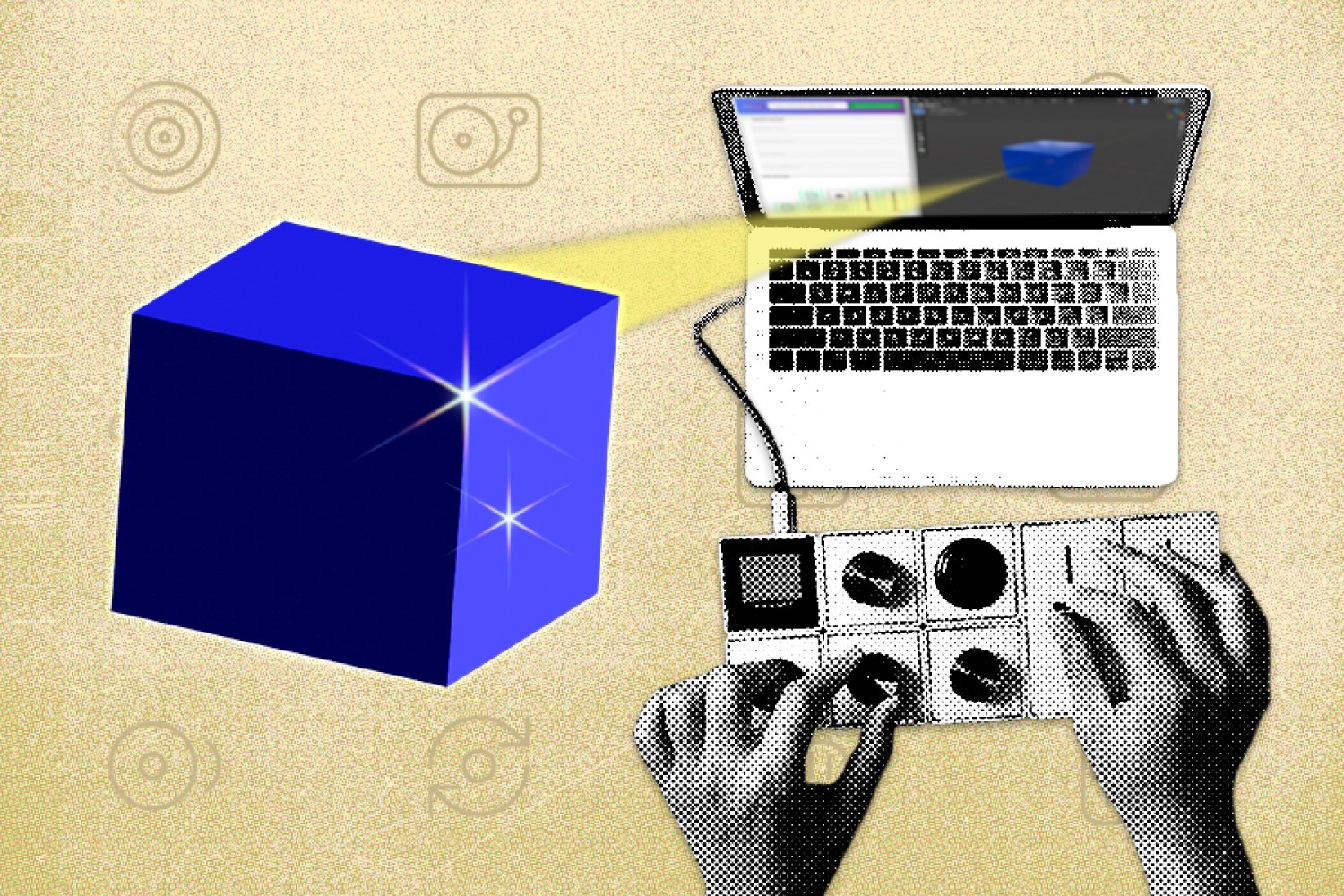
At the ACM Symposium on User Interface Software and Technology, researchers Yunyi Zhu and Chang Xiao showcased TangiMap, a novel framework designed to bridge the gap between software applications and physical computing hardware. By pairing tangible interface inputs with digital controls, the platform seeks to make creative tasks such as editing photographs and manipulating audio performances substantially more tactile, responsive, and dynamic.
Context-Aware Mapping via AI Agents
At the core of the platform is an artificial intelligence agent tasked with understanding the operational environment of the active application. Rather than requiring users to manually wire every slider or knob, the system continuously analyzes the controlling physical device, the user's operational tendencies, and the context of the host application.
To establish this understanding across diverse desktop environments, TangiMap gathers software context through three primary mechanisms: accessing a program's API, communicating through a Model Context Protocol (MCP) server, or analyzing captured graphical screenshots using a vision-language model. This multimodal awareness enables the agent to determine appropriate functional bindings for available physical controls.
Versatile Creative Implementations
To evaluate the system across distinct workflows, researchers demonstrated that standard hardware controllers could be repurposed for complex creative software. In one setup, a conventional mixer was reprogrammed to manage image parameters inside Adobe Lightroom. In an independent setup, researchers reconfigured the mixer hardware to control sound-mixing software, enabling musicians to adjust track properties in real time.
Beyond continuous adjustment dials, TangiMap was also configured for discrete, real-time performance controls. By linking physical buttons on an input pad directly to specific expressions and movements inside Adobe Character Animator, the setup allowed creators to puppet animated characters live during production.
Ergonomics and Future Hardware Vision
Looking ahead, ongoing research into TangiMap focuses on streamlining hardware adoption and optimizing ergonomic design. Investigators are examining physical human factors, such as hand positioning and device layout, to evaluate how natural posture influences optimal control mapping. Additionally, future milestones aim to allow users to generate a complete interactive interface simply by capturing an image of an arbitrary hardware device.