Anti-Waymo Advocacy Op-Eds Linked to Undisclosed AI Generation
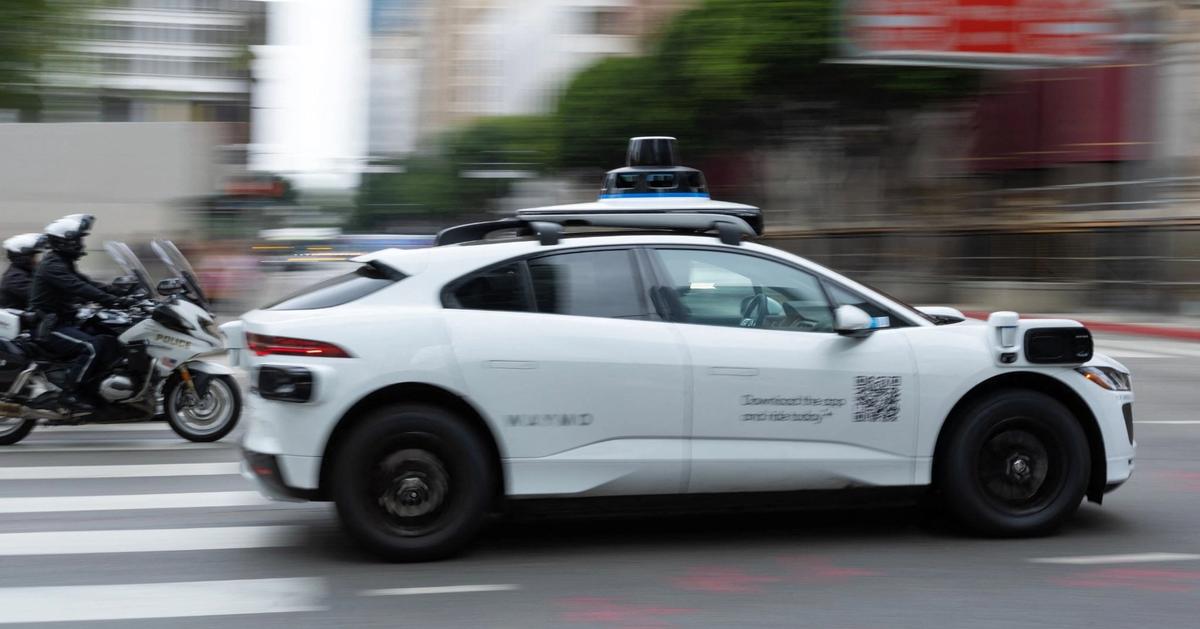
Opponents of autonomous vehicle company Waymo have incorporated artificial intelligence to generate opinion commentaries published across local news publications. Analysis performed by the detection platform Pangram revealed that numerous critical columns carried extensive synthetic input without disclosing automated assistance to readers or editorial desks.
Detection Findings Across Regional Outlets
Specific commentaries targeted the reliability and labor consequences of autonomous transport systems. A submission published in the San Francisco Chronicle warning that autonomous fleets might become inactive during electrical blackouts showed an 88% probability of synthetic text generation under Pangram's analysis. Similarly, an opinion article in the San Diego Union-Tribune arguing that robotaxis would displace existing human workers scored at 95% likely synthetic prose.
Contributing writers offered differing explanations regarding the development of their published texts. Ira Goldstein, whose piece appeared in the New York Daily News, acknowledged that a public relations agency created the initial draft, noting such drafting assistance represents routine procedure when collaborating with communications firms. Meanwhile, Michael Redmond explained that his work for the San Francisco Chronicle involved applying AI systems for preliminary background research, evaluating arguments, structuring concepts, and refining phrasing.
Newsroom Reactions and Industry Pressures
Editorial leadership across major regional newspapers is re-examining submission standards in response to synthetic content. Ryan Sanders, commentary editor at The Dallas Morning News, clarified that while limited AI usage for brainstorming or textual polishing is permissible, the newsroom outright bans articles produced entirely by artificial intelligence platforms. At the New York Daily News, executive editor Andrew Julien explained that the organization is creating more rigorous restrictions against synthetic copy, partly influenced by ongoing legal actions against OpenAI and Microsoft.
These automated op-eds emerge alongside well-funded influence efforts targeting autonomous driving deployment. The Coalition for Accountability and Road Safety, an organization actively campaigning against Waymo, invested over $2.6 million in advertising across the Washington D.C. metropolitan region throughout 2026.